
How to Identify a Gas Leak in Your Noosa Home or Business
Gas systems are designed to operate safely and efficiently, but like any appliance or pipework system, faults can occasionally occur. Knowing how to identify the signs of a gas leak early can help protect your family, staff, customers and property.
For homes and businesses across Noosa, recognising the warning signs and arranging prompt inspections is an important part of gas safety.
Here is what to watch for.
What Causes Gas Leaks?
Gas leaks can develop for several reasons, ranging from ageing components to damaged connections.
Common causes include:
-
- Worn gas hoses
- Loose fittings and joints
- Corrosion on regulators or pipework
- Appliance deterioration
- Damaged LPG cylinders or connections
- Poorly maintained equipment
- Heavy use in commercial kitchens
Properties throughout Noosa often rely on LPG systems, particularly in semi-rural areas and businesses operating outdoor kitchens, accommodation facilities or hospitality venues.
Routine servicing helps identify small issues before they become larger problems.
Warning Signs You May Have a Gas Leak
1. A Sulphur or Rotten Egg Smell
Gas suppliers add an odour to make leaks easier to detect.
If you notice:
-
- Rotten egg smells
- Sulphur-like odours
- Unusual gas smells around appliances
Do not ignore it.
Even small leaks should be assessed by a licensed gas fitter.
2. Hissing Sounds Near Gas Appliances
A hissing or whistling sound around:
-
- Cylinders
- Regulators
- Pipework
- Hot water systems
- Cooktops
may indicate escaping gas.
If you hear unusual sounds, isolate the area and seek professional assistance.
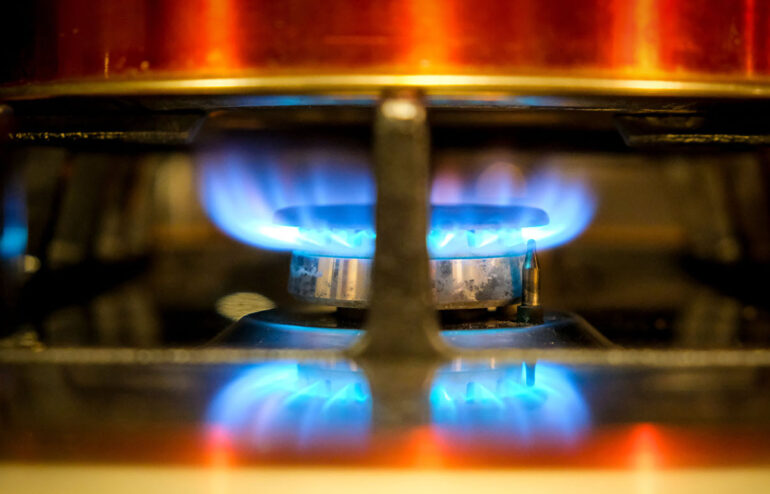
3. Yellow or Orange Flames
Gas appliances should generally burn with a steady blue flame.
If flames appear:
-
- Yellow
- Orange
- Flickering excessively
- Uneven
this could indicate combustion problems or gas supply issues.
Common examples include:
-
- Gas cooktops
- Commercial kitchen equipment
- Gas heaters
- Hot water systems
4. Changes in Plant Growth Outdoors
Gas leaks occurring externally may sometimes affect surrounding vegetation.
Watch for:
-
- Sudden patches of dying grass
- Yellowing plants
- Bare sections developing near gas lines
- Unusual bubbling in wet soil
Outdoor indicators are particularly important for larger properties and businesses.
5. Physical Symptoms Around Appliances
In some cases, people may notice symptoms before identifying the leak itself.
Possible signs include:
-
- Headaches
- Dizziness
- Nausea
- Fatigue
- Irritation
If multiple people experience symptoms near gas appliances, leave the area and arrange inspection immediately.
Signs of Gas Leaks in Noosa Homes
Residential properties may notice warning signs around:
Kitchens
-
- Pilot lights repeatedly failing
- Uneven burner flames
- Strong odours near cooktops
Hot Water Systems
-
- Irregular operation
- Burner issues
- Difficulty maintaining temperature
Outdoor Areas
-
- LPG bottle connections
- BBQ points
- Patio heaters
Many leaks begin as small faults that worsen over time.
What Businesses Should Watch For
Commercial gas systems often operate for longer periods and experience higher demand.
Businesses should monitor for:
-
- Appliance performance changes
- Unexpected increases in gas use
- Staff reporting unusual smells
- Inconsistent heating
- Equipment shutdowns
Industries that commonly rely on gas include:
-
- Cafés
- Restaurants
- Food vans
- Holiday accommodation
- Commercial kitchens
- Caravan parks
Routine servicing can help minimise downtime and improve safety.
What To Do If You Suspect a Gas Leak
If you believe a gas leak may be present:
-
- Turn off appliances if safe to do so
- Shut off the gas supply where possible
- Avoid electrical switches
- Do not light flames or create sparks
- Leave the area if required
- Contact a licensed gas fitter
Do not attempt repairs yourself.
Gas systems should only be inspected and repaired by qualified professionals.
Why Professional Gas Leak Detection Matters
Gas leaks are not always obvious.
Professional inspections may include:
-
- Pressure testing
- Leak detection equipment
- Appliance assessments
- Regulator inspections
- Pipework checks
- Compliance reviews
Early detection often prevents more costly repairs and helps maintain safe operation.
Keep Your Home or Business Safe
Gas leaks can begin with subtle warning signs such as unusual smells, appliance changes or abnormal flames.
If something does not seem right, arranging an inspection early can help protect your household, staff and customers.
Gas Services QLD provides gas leak detection, appliance servicing and gas fitting services throughout Noosa, Gympie and the Sunshine Coast.