
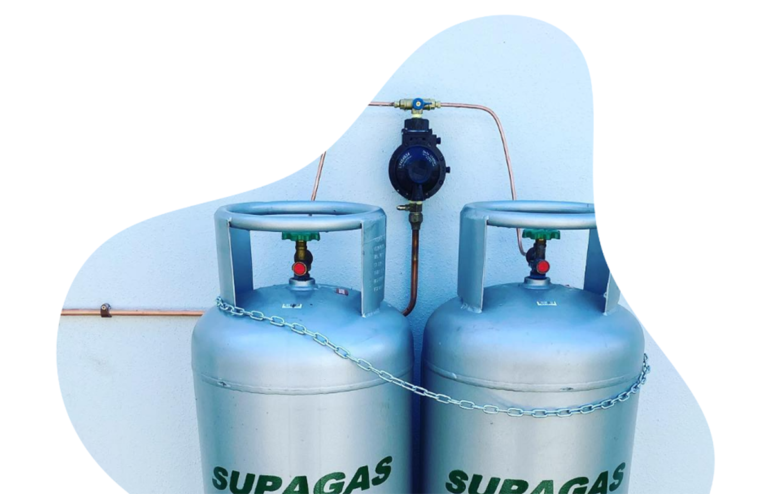
What Is a Gas Regulator and How Do You Know When It Needs Replacing?
Gas regulators are one of the most important — and most overlooked — components of any gas system. The regulator plays a critical role in keeping your appliances operating safely and efficiently.
Below, we explain what a gas regulator does, signs it may be failing, and when replacement is required.
What Is a Gas Regulator?
A gas regulator controls the pressure of gas flowing from the supply (such as an LPG cylinder) to your appliances.
Gas is stored or supplied at a much higher pressure than appliances can safely handle. The regulator’s job is to reduce and stabilise that pressure, ensuring a consistent and safe gas flow.
Without a functioning regulator:
-
-
Appliances may not operate correctly
-
Gas pressure can fluctuate
-
Safety risks increase
-
Where Are Gas Regulators Commonly Located?
Gas regulators are typically found:
-
-
At LPG cylinders or tank
-
On caravan, camper, or mobile setups
-
At the entry point of a gas system supplying a building
-
Some properties may have multiple regulators, depending on the size and layout of the system.
Signs a Gas Regulator May Need Replacing
Gas regulators don’t last forever. Over time, internal components can wear or fail like everything in this modern world.
Common warning signs include:
-
-
Appliances cutting in and out
-
Weak or inconsistent flame
-
Pilot lights repeatedly going out
-
Appliances not igniting properly
-
Hissing noises near the regulator
-
Gas smell (this requires immediate attention)
-
Appliances suddenly performing differently
-
If you notice any of these issues, the regulator should be checked by a licensed gas fitter.
How Often Should a Gas Regulator Be Replaced?
There’s no single lifespan for all gas regulators, but as a general guide:
-
-
Exposure to weather can shorten lifespan
-
Coastal conditions can accelerate corrosion
-
Older regulators may not meet current standards
-
In many cases, regulators are replaced as part of:
-
-
Appliance upgrades
-
System alterations
-
Safety inspections
-
Compliance rectification
-
If a regulator is faulty, outdated, or no longer compliant, replacement is required — repairs are not recommended.
Is a Faulty Gas Regulator Dangerous?
Yes. A failing regulator can cause:
-
-
Excessive or insufficient gas pressure
-
Incomplete combustion
-
Appliance damage
-
Increased risk of gas leaks
-
For this reason, gas regulator issues should never be ignored or DIY’d.
What Should You Do If You Suspect a Problem?
If you suspect a gas regulator issue:
-
-
Stop using the affected appliances
-
Turn the gas supply off at the bottle/s to save any losses (especially if the leak is decent)
-
Contact a licensed gas fitter as soon as possible
-
Early action can prevent more serious problems and ensure your system remains safe.
How Gas Services QLD Can Help
At Gas Services QLD, we:
-
-
Inspect and test gas regulators
-
Replace non-compliant or faulty regulators
-
Ensure correct pressure settings
-
Provide certification for gas work
-
Safety, compliance, and peace of mind are always our priority.
If your gas system isn’t performing as it should, it’s worth getting it checked.